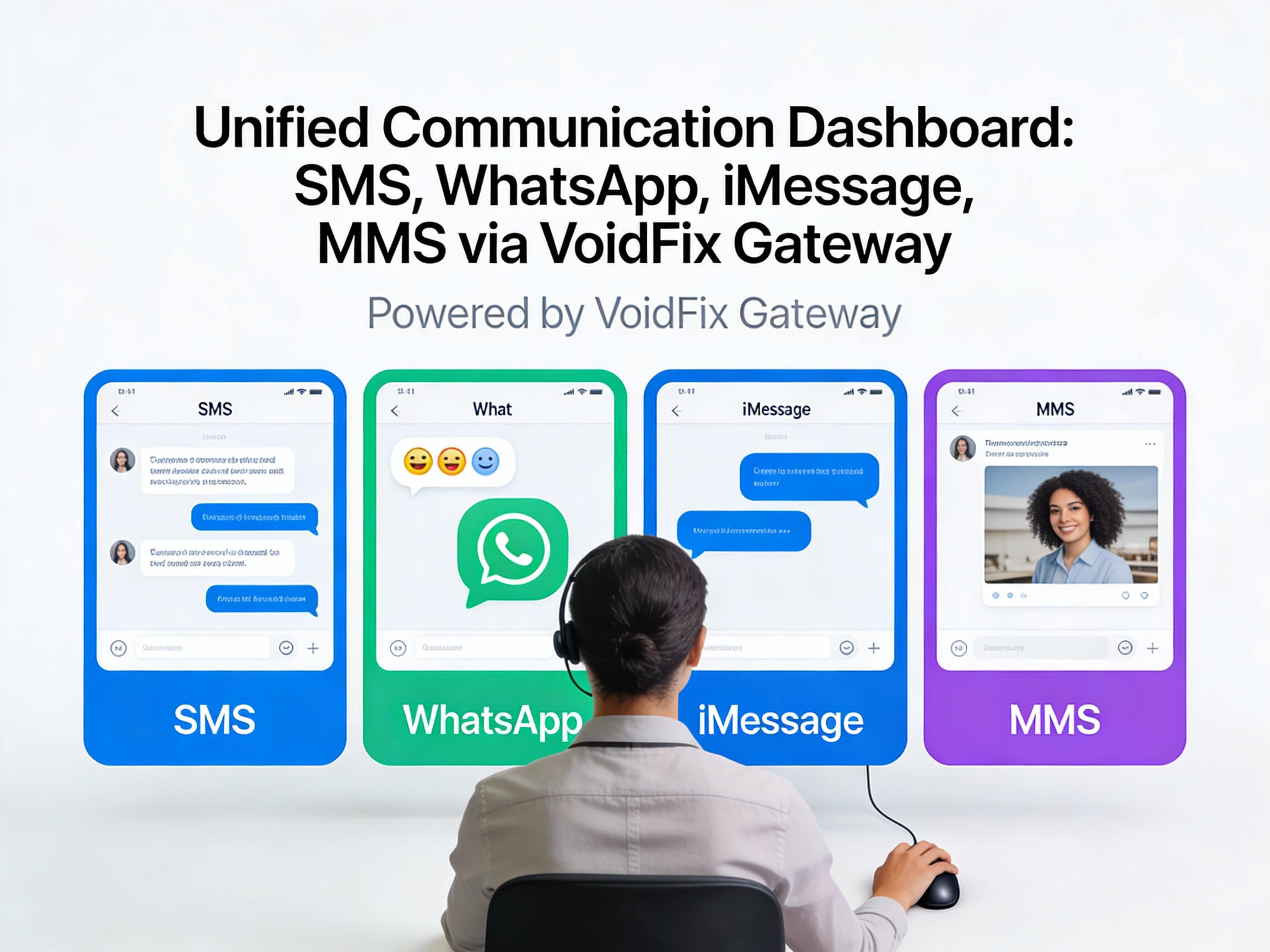
In today’s fast-moving digital world, customers expect instant, personalized, and convenient communication from businesses. Traditional marketing channels like email and SMS still matter, but one platform is rapidly becoming the most powerful tool for direct customer engagement:
WhatsApp Marketing.
With over billions of users worldwide, WhatsApp is no longer just a messaging app for personal chats—it has evolved into a high-impact marketing and customer communication channel for businesses of all sizes.
Unlocking the Full Potential of WhatsApp Marketing: Strategies, Automation, and Growth
With over 2 billion active users worldwide, WhatsApp has evolved far beyond a personal messaging app. It has become one of the most powerful channels for businesses to reach, engage, and convert customers at scale. WhatsApp marketing offers something no other platform can match: direct access to customers in their most personal digital space, combined with open rates that dwarf email, social media, and even traditional SMS.
For brands looking to build meaningful relationships, drive sales, and automate customer communication, a well-crafted WhatsApp marketing strategy is no longer optional. It is a competitive necessity. Whether you are a growing startup, a digital marketing agency, or an enterprise looking to streamline customer outreach, understanding how to leverage WhatsApp business messaging effectively will define your success in the years ahead.
Why WhatsApp Marketing Is Transforming Business Communication
The numbers speak for themselves. WhatsApp is used in over 180 countries, and the average user checks the app more than 23 times per day. Unlike email, which has an average open rate of 20-25%, WhatsApp messages consistently achieve open rates above 95%. Response rates are equally impressive, with most messages receiving a reply within minutes rather than hours or days.
This is what makes WhatsApp marketing fundamentally different from other channels. It is not about broadcasting messages into the void and hoping someone sees them. It is about creating real, conversational interactions that feel personal and immediate. When a customer receives a WhatsApp message from a brand they trust, it appears alongside messages from friends and family. That level of intimacy and attention is unmatched by any advertising platform.
Businesses across every industry are recognizing this shift. From e-commerce brands sending personalized product recommendations to healthcare providers confirming appointments, WhatsApp business messaging is replacing slower, less effective communication methods and delivering measurable results.
Understanding the Core Components of a WhatsApp Marketing Strategy
A successful WhatsApp marketing strategy goes far beyond sending bulk messages. It requires thoughtful planning, audience segmentation, content optimization, and the right infrastructure to deliver messages reliably at scale. Here are the essential components every business should build into their approach.
Audience Building and Opt-In Management
Unlike email lists where contacts are often cold, WhatsApp contacts represent high-intent audiences who have actively chosen to hear from your brand. Building this list requires clear opt-in mechanisms across your existing touchpoints:
Website pop-ups and landing page forms with WhatsApp opt-in checkboxes
Click-to-WhatsApp ads on Facebook and Instagram that drive direct conversations
QR codes on packaging, receipts, and in-store displays
Post-purchase follow-ups inviting customers to join your WhatsApp channel
Social media posts and stories with direct WhatsApp links
The key is making the value proposition clear. Customers need to understand what they will receive by opting in, whether it is exclusive deals, order updates, or priority support.
Segmentation and Personalization
Sending the same message to every contact is one of the fastest ways to lose subscriber engagement. Effective WhatsApp marketing relies on segmentation based on customer behavior, purchase history, location, and preferences. By dividing your audience into meaningful groups, you can deliver messages that feel tailored rather than generic.
Personalization extends beyond using the customer’s name. It includes sending product recommendations based on browsing history, timing messages around individual purchase cycles, and adjusting tone and content based on the customer’s stage in the buying journey.
Content Planning and Message Design
WhatsApp supports rich media formats that allow businesses to create engaging, visually compelling messages. A strong content strategy for WhatsApp should include:
Text messages with clear calls-to-action for promotions and announcements
Images and product photos for new arrivals and featured items
Short videos for product demonstrations, tutorials, and behind-the-scenes content
PDF catalogs and brochures for B2B outreach and detailed product information
Interactive buttons and quick replies to streamline customer actions
The best WhatsApp marketing messages are concise, valuable, and action-oriented. They respect the customer’s time while providing clear reasons to engage.
WhatsApp Automation: Scaling Campaigns Without Losing the Personal Touch
One of the greatest advantages of WhatsApp marketing is the ability to automate repetitive communications while maintaining conversational quality. Automation does not mean robotic messaging. When implemented thoughtfully, it means delivering the right message at the right moment, triggered by specific customer actions or time-based rules.
Common automation workflows that drive significant results include:
Welcome Sequences: When a new contact opts in, an automated welcome message introduces your brand, sets expectations, and may include a first-time offer to encourage immediate engagement.
Abandoned Cart Recovery: E-commerce businesses can automatically send reminders to customers who added items to their cart but did not complete the purchase, often recovering 15-30% of otherwise lost sales.
Post-Purchase Follow-Ups: Automated messages sent after a purchase to confirm the order, provide shipping updates, request reviews, or recommend complementary products.
Appointment Reminders: Service-based businesses can reduce no-shows by 40% or more with automated WhatsApp reminders sent 24 hours before scheduled appointments.
Re-Engagement Campaigns: Customers who have not interacted with your brand in a defined period can receive targeted messages with special offers or content designed to bring them back.
The ability to combine automation with the option for customers to seamlessly transition into live conversations with human agents is what makes WhatsApp marketing so effective. Customers get instant responses when automation handles their needs, and personal attention when they require it.
Bulk Messaging Done Right: Reaching Thousands Without Getting Blocked
Bulk WhatsApp messaging is one of the most powerful tools in a marketer’s arsenal, but it must be handled with care. Unlike email, where spam filters do the heavy lifting, WhatsApp relies on user-reported spam to manage quality. Sending irrelevant or excessive messages will result in blocks and bans that can permanently damage your ability to communicate on the platform.
Best practices for effective bulk messaging on WhatsApp include:
Only message opted-in contacts: Every recipient should have explicitly agreed to receive messages from your brand.
Segment before you send: Target specific audience groups with relevant content rather than blasting everyone with the same message.
Provide clear opt-out options: Make it easy for recipients to unsubscribe if they no longer wish to receive messages.
Maintain appropriate frequency: Avoid sending more than 2-4 promotional messages per week to prevent fatigue.
Use approved message templates: For business-initiated conversations, use pre-approved templates that comply with WhatsApp guidelines.
Monitor engagement metrics: Track open rates, response rates, and block rates to continuously optimize your campaigns.
When done correctly, bulk WhatsApp messaging delivers unparalleled results. Businesses regularly report conversion rates of 5-15% on WhatsApp campaigns, compared to 1-3% on email campaigns targeting the same audience.
Real-World WhatsApp Marketing Campaign Examples
Understanding theory is important, but seeing how businesses actually use WhatsApp marketing provides the inspiration and framework for your own strategy. Here are several proven campaign types that deliver consistent results.
Flash Sale Announcements
A fashion retailer sends a WhatsApp broadcast to segmented VIP customers announcing a 48-hour flash sale with an exclusive early access link. The message includes product images, pricing, and a direct shop-now button. The result is immediate traffic and sales, with conversion rates significantly higher than the same promotion sent via email.
Product Launch Campaigns
A beauty brand creates a multi-message sequence for a new product launch. The first message is a teaser video sent three days before launch. The second is a behind-the-scenes look at the product development process. The third is the official launch message with a link to purchase and a limited-time launch discount. This drip approach builds anticipation and drives higher launch-day sales.
Customer Feedback and Reviews
A restaurant chain sends automated WhatsApp messages to diners 2 hours after their visit, asking about their experience. Satisfied customers are directed to leave a Google review, while dissatisfied customers are connected to a manager for immediate resolution. This approach dramatically increases positive reviews while containing negative experiences before they become public.
Loyalty Program Updates
A coffee shop chain sends monthly WhatsApp messages to loyalty members showing their current point balance, personalized rewards available, and upcoming member-only events. These messages achieve 90%+ open rates and keep customers actively engaged with the loyalty program.
WhatsApp Marketing for Agencies and SaaS Platforms
For digital marketing agencies managing multiple client accounts, WhatsApp marketing represents both a service opportunity and an operational challenge. Agencies need infrastructure that supports managing multiple WhatsApp numbers, creating custom campaigns for different clients, and reporting on performance across accounts.
Similarly, SaaS platforms that serve businesses often need to integrate WhatsApp messaging into their products, whether for customer notifications, onboarding sequences, or support workflows. The demand for reliable, scalable WhatsApp business messaging infrastructure is growing rapidly in both segments.
Key capabilities agencies and SaaS platforms need include:
Multi-account management from a single dashboard
API integration for automated message triggering from CRM and workflow tools
Template management for creating, approving, and deploying message templates at scale
Detailed analytics and reporting on delivery, open, and response rates
Reliable high-volume sending capability without throttling or disruption
Measuring WhatsApp Marketing Performance
Like any marketing channel, WhatsApp requires ongoing measurement and optimization to deliver maximum results. The key metrics every business should track include:
Delivery Rate: The percentage of messages successfully delivered to recipients. This should consistently be above 95%.
Open Rate: WhatsApp typically achieves 90-98% open rates, but tracking trends helps identify messaging fatigue.
Response Rate: The percentage of recipients who engage with or reply to your messages, indicating content relevance.
Click-Through Rate: For messages containing links, this measures how many recipients took the desired action.
Conversion Rate: The ultimate measure of campaign effectiveness, tracking how many message recipients completed a purchase or desired action.
Opt-Out Rate: Monitoring unsubscribes helps ensure your messaging frequency and content remain aligned with subscriber expectations.
By establishing benchmarks for each metric and testing variations in messaging content, timing, and audience segments, businesses can continuously improve their WhatsApp marketing strategy and maximize return on investment.
Overcoming Common WhatsApp Marketing Challenges
While the opportunity is enormous, businesses face several practical challenges when implementing WhatsApp marketing at scale. Understanding these challenges and knowing how to address them is critical for long-term success.
Scaling Without Infrastructure Problems
As message volume grows, businesses need messaging infrastructure that can handle thousands of messages per hour without delays or failures. Consumer WhatsApp apps were never designed for business-scale communication, and relying on them leads to account bans and unreliable delivery.
Managing Two-Way Conversations at Volume
When you send messages to thousands of customers, many will respond. Without systems to manage, route, and respond to incoming conversations, your team will quickly become overwhelmed. Effective WhatsApp marketing requires both outbound capability and inbound conversation management.
Compliance and Consent Management
WhatsApp has strict policies about business messaging, and various regions have their own data protection regulations. Businesses must maintain clear opt-in records, provide easy opt-out mechanisms, and ensure all messaging complies with applicable laws and platform policies.
Conclusion: Unlock Your WhatsApp Marketing Potential with VoidFix Gateway
WhatsApp marketing represents one of the most significant opportunities in digital communication today. With 2 billion+ users, unmatched open rates, and the ability to create genuine conversational experiences, it offers businesses a direct line to their customers that no other channel can replicate.
But unlocking the full potential of a WhatsApp marketing strategy requires more than just good content. It requires reliable infrastructure that can handle bulk messaging, automation, two-way conversations, and multi-account management without complexity or downtime.
VoidFix Gateway provides exactly that. Built for businesses, agencies, and SaaS platforms that need scalable, dependable WhatsApp business messaging, VoidFix Gateway gives you the tools to send campaigns, automate workflows, and engage customers in real time. No complicated setup. No unreliable delivery. Just powerful messaging that drives results.
Ready to unlock the full potential of WhatsApp marketing for your business?
Start building smarter campaigns, automating engagement, and scaling your customer communication with VoidFix Gateway today.
Frequently Asked Questions
What is WhatsApp marketing and how does it work?
WhatsApp marketing is the practice of using WhatsApp as a channel to communicate with prospects and customers for promotional, transactional, and conversational purposes. It works by building an opted-in contact list, creating targeted message campaigns, and using automation to deliver personalized messages at scale. Businesses can send text, images, videos, documents, and interactive buttons directly to customers through WhatsApp, achieving significantly higher engagement than traditional marketing channels.
How can I send bulk WhatsApp messages without getting blocked?
To send bulk WhatsApp messages safely, you need to follow best practices: only message contacts who have opted in, segment your audience to send relevant content, maintain appropriate message frequency, include clear opt-out options, and use a reliable messaging gateway designed for business-scale communication. Using a platform like VoidFix Gateway ensures your messages are delivered consistently while protecting your sender reputation.
Is WhatsApp marketing better than email marketing?
WhatsApp marketing and email marketing serve complementary purposes, but WhatsApp consistently outperforms email on engagement metrics. WhatsApp achieves 90-98% open rates compared to email’s 20-25%, and response times are measured in minutes rather than hours. For time-sensitive communications, customer conversations, and high-engagement campaigns, a strong WhatsApp marketing strategy typically delivers superior results.
What types of businesses benefit most from WhatsApp marketing?
Virtually any business that communicates with customers can benefit from WhatsApp marketing. E-commerce brands, healthcare providers, real estate agencies, restaurants, SaaS platforms, educational institutions, and service-based businesses all see strong results. Marketing agencies also benefit by offering WhatsApp campaign management as a service to their clients, using platforms like VoidFix Gateway to manage multiple accounts efficiently.