WhatsApp vs SMS is one of the first decisions any business faces when planning customer communication. Both reach phones in seconds, but they behave very differently when it comes to reach, cost, features, and the kind of conversations they support.
This guide compares the two channels honestly so you can match each one to the right job, then shows how to run both from a single platform with VoidFix Gateway.
Why the WhatsApp vs SMS Question Matters
Choosing between WhatsApp vs SMS is not just a technical preference, it shapes how customers experience your brand. SMS has been the default mobile channel for decades because it works on every handset, from the cheapest feature phone to the latest smartphone, with no app and no data connection. WhatsApp arrived later but grew into one of the most used messaging apps on earth, bringing rich chat, media sharing, and a conversational feel that SMS was never built for.
The mistake many teams make is treating this as an either-or contest. In reality the two channels solve overlapping but distinct problems. Understanding where each one shines lets you spend your budget wisely, protect deliverability, and meet customers where they actually are.
Reach and Audience: Who Can You Actually Text?
Reach is where SMS still holds a structural advantage. Every mobile number in the world can receive an SMS by default. There is nothing to install, no account to create, and no internet required. For a business that needs to reach the broadest possible audience, including older customers, rural areas, or markets with low smartphone penetration, SMS remains unmatched.
WhatsApp reach is enormous but conditional. The recipient must have the app installed, an active account, and a data connection. In many countries, including large parts of Europe, Latin America, the Middle East, and Asia, WhatsApp penetration is so high that this is barely a limitation. In other markets, notably parts of North America, adoption is lower and SMS or iMessage may reach more of your list.
Choose SMS when you need guaranteed universal delivery regardless of app or data.
Choose WhatsApp when your audience is concentrated in high-adoption regions and already chats there daily.
Choose both when your list spans regions and you want WhatsApp engagement with an SMS safety net.
Features and Conversation Quality
This is where WhatsApp pulls ahead decisively. Standard SMS is limited to 160 characters per segment, plain text, and one-way or clunky two-way exchanges. MMS adds images but is inconsistent and often more expensive. WhatsApp, by contrast, supports a genuinely rich experience.
With WhatsApp you can send images, video, documents, location pins, and interactive buttons. Conversations are threaded, persistent, and feel like talking to a person rather than receiving a notification. Read receipts and typing indicators add a layer of immediacy that SMS cannot match. For support, sales, and any back-and-forth interaction, this richness translates into higher engagement and faster resolution.
SMS still wins for one thing: brutal simplicity. A one-time passcode, a flight gate change, or an appointment reminder does not need rich media. It needs to arrive instantly and be read at a glance, and SMS does exactly that. If you want to dig deeper into channel feature comparisons, our WhatsApp Business API guide covers the platform side in detail.
Cost: Where the Money Really Goes
Cost comparisons are where businesses are most often surprised. Traditional SMS through aggregators carries a per-message fee that adds up fast at scale, and in the US it also requires A2P 10DLC registration with carrier vetting, campaign approval, and ongoing fees. WhatsApp through the official Business API uses a conversation-based pricing model that can be cheaper per interaction but introduces its own template fees and category-based charges.
The bigger picture is that both traditional routes layer platform markups on top of carrier costs. This is exactly the friction VoidFix Gateway removes. By sending from real SIM-based devices and real numbers, VoidFix avoids the aggregator pipeline entirely, which means no per-message platform fees and no A2P registration overhead. For high-volume senders, that can mean saving up to around 80 percent compared with conventional gateways.
Map your monthly volume across both channels.
Add up per-message carrier fees and any registration costs for each route.
Compare that against a flat, predictable subscription model.
Factor in deliverability, because undelivered messages are wasted spend.
Deliverability and Trust
A message only matters if it arrives. SMS deliverability has become harder as carriers tighten filtering against spam, and unregistered or poorly reputed senders see messages silently dropped. WhatsApp enforces quality through its own rating system, and accounts that generate complaints can be throttled or banned.
VoidFix Gateway improves deliverability on both fronts by sending from real numbers that carriers already trust. Because the traffic looks like genuine person-to-person messaging rather than bulk aggregator traffic, it sidesteps much of the filtering that catches conventional campaigns. Higher landing rates mean your reach numbers translate into real conversations rather than disappearing into carrier filters.
Compliance Considerations for Each Channel
Both channels demand respect for consent. For SMS, regulations such as TCPA in the United States require explicit opt-in, clear sender identification, and a working opt-out keyword like STOP. WhatsApp adds its own rulebook: businesses must use pre-approved template messages to start conversations, can only freely reply within a 24-hour customer service window, and must maintain a healthy quality rating.
The practical takeaway is that compliance is not a reason to favor one channel over the other, it is a baseline you maintain on both. Keep clean opt-in records, honor opt-outs immediately, and avoid buying lists. Good list hygiene protects your sender reputation and keeps both SMS and WhatsApp delivering reliably over the long term.
How to Decide and How to Run Both
For most businesses the smartest answer to WhatsApp vs SMS is not to choose at all, but to orchestrate them. Use WhatsApp as your primary channel for engaged, opted-in customers who want rich, conversational interactions. Use SMS for time-critical alerts, one-time passcodes, and contacts who are not reachable on WhatsApp. This layered approach gives you the engagement of WhatsApp with the universal reliability of SMS.
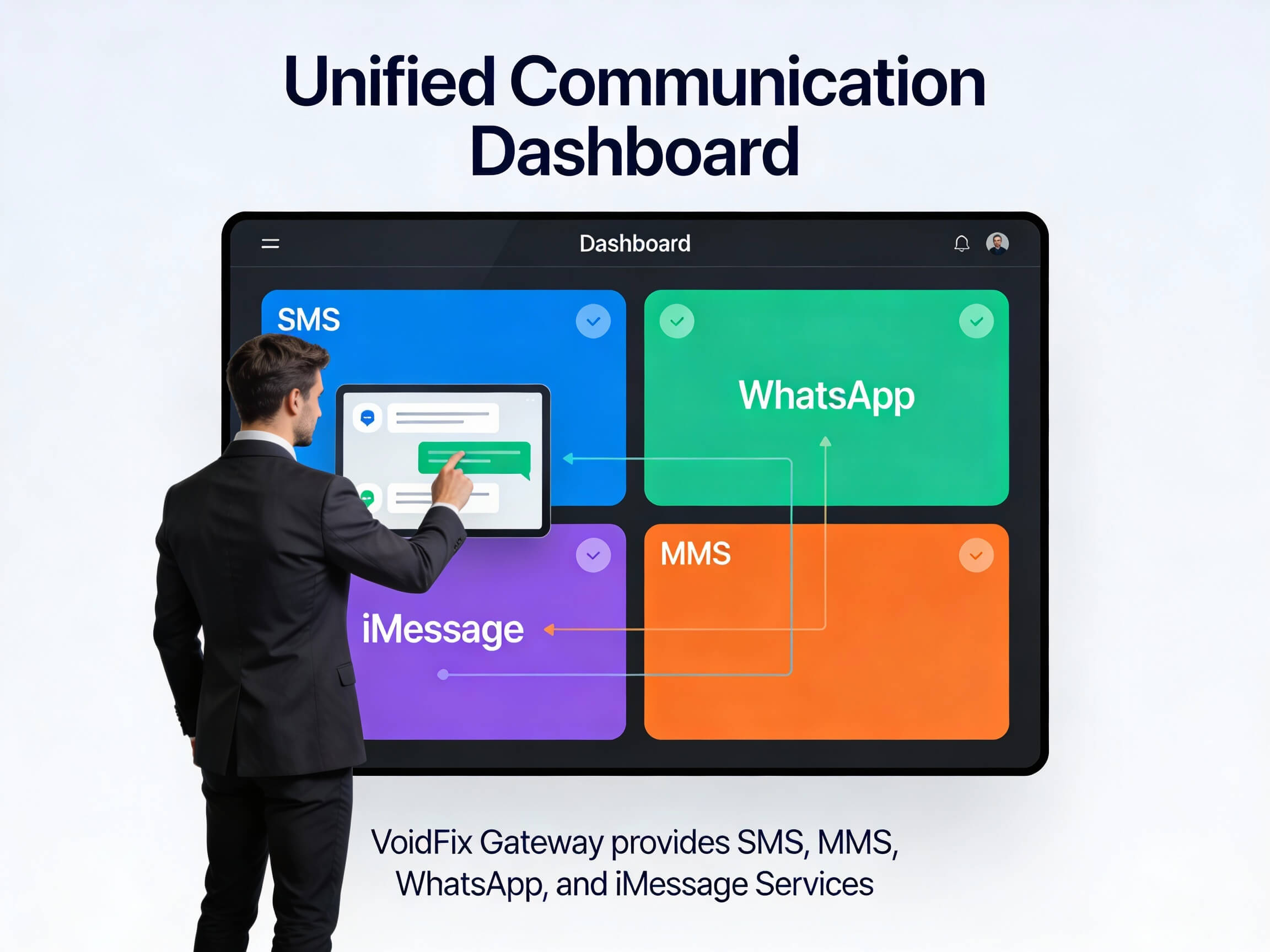
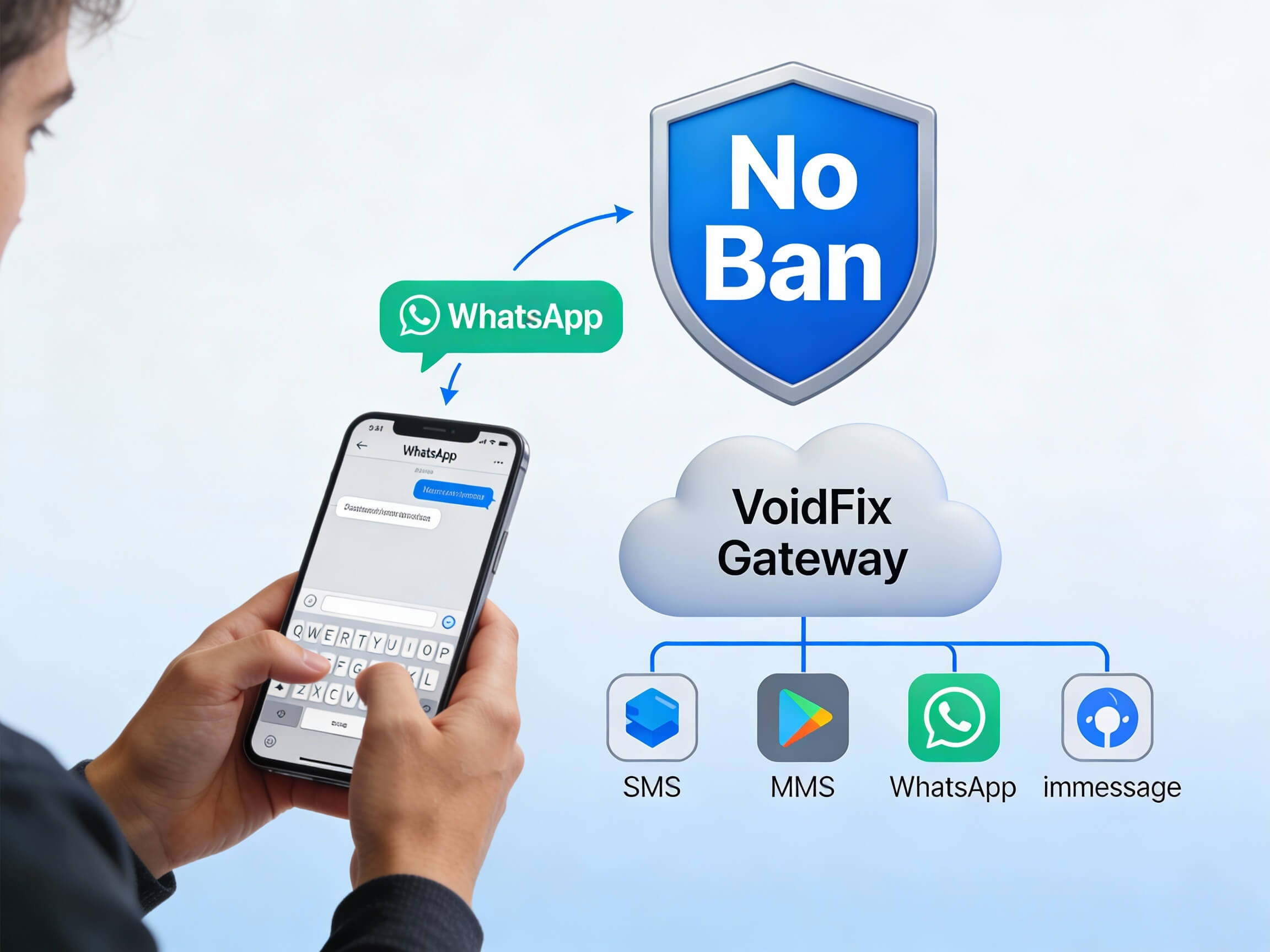
Running two channels used to mean two vendors, two integrations, and two bills. With VoidFix Gateway you manage SMS, WhatsApp, and iMessage from a single platform that connects to GoHighLevel, your CRM, Zapier, Make, webhooks, and a REST API. That unified control makes it easy to route each message type to the right channel automatically.
Conclusion: Match the Channel to the Job
There is no single winner in the WhatsApp vs SMS debate, only the right tool for each job. SMS gives you unbeatable universal reach and instant simplicity; WhatsApp gives you rich, trusted, conversational engagement where adoption is high. The businesses that win are the ones that use both deliberately, backed by a platform that keeps costs low and deliverability high. Ready to send across both channels from real numbers with no per-message fees? Start your free trial of VoidFix Gateway, or contact our team to map the right mix for your audience.