iMessage deliverability is the difference between a campaign that reaches engaged Apple users and one that quietly disappears. Reaching iPhone, iPad, and Mac owners reliably depends far more on how your messages are sent than on the words inside them.
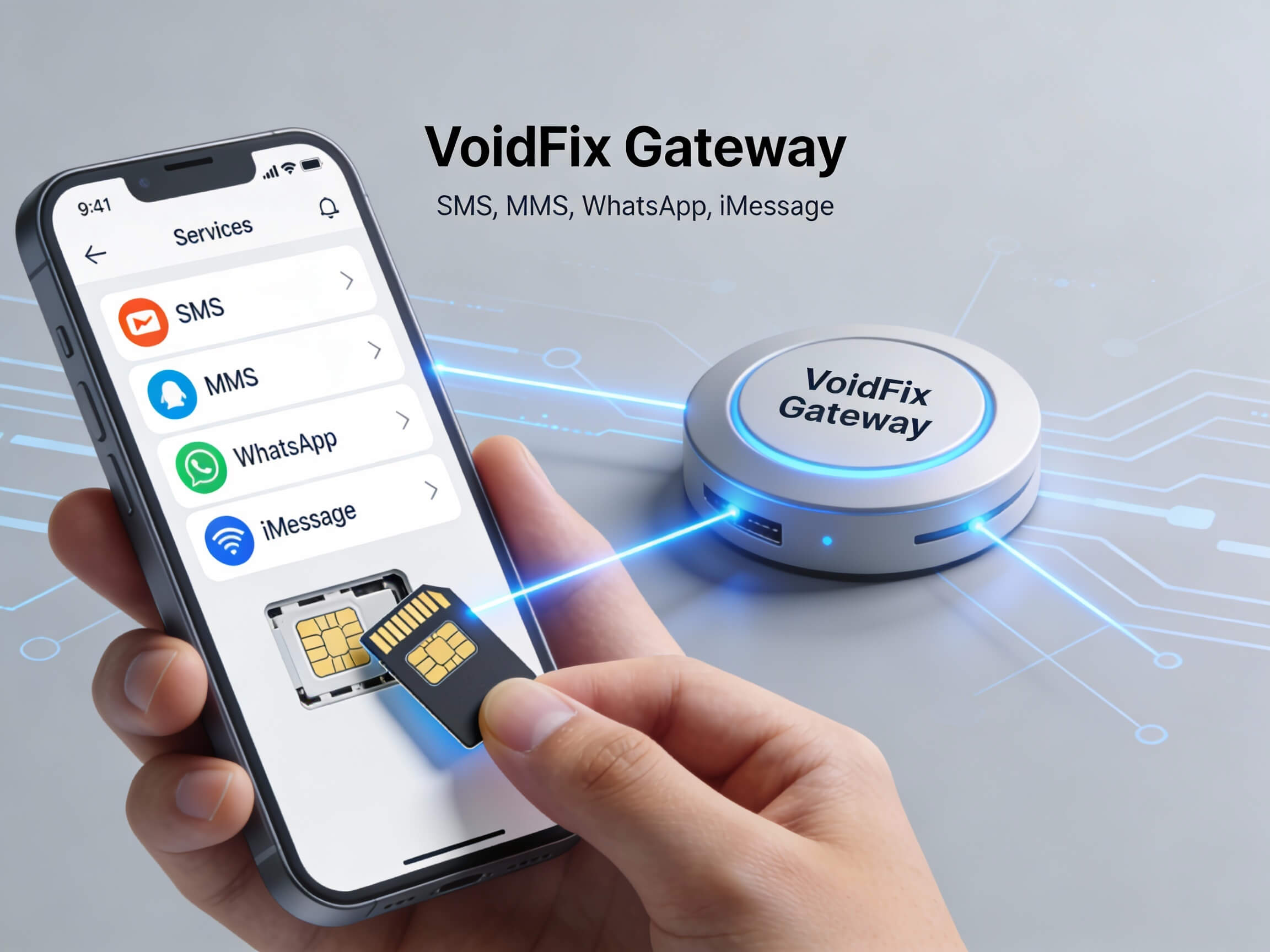
In this guide we break down what truly drives iMessage delivery, the signals Apple watches, and the routing decisions that keep messages in the blue bubble. Then we show how VoidFix Gateway delivers iMessage from real Apple IDs and real devices for dependable results.
Why iMessage Deliverability Is Different From SMS
Most messaging advice was written for SMS, where carriers and A2P aggregators decide whether your text reaches a phone. iMessage works on an entirely different system. Apple routes these messages through its own encrypted network between Apple IDs, and delivery is governed by Apple's trust signals rather than carrier filters. That means the playbook for reaching Apple users reliably looks nothing like the one for traditional text.
Because iMessage is tied to an Apple ID rather than just a phone number, the platform constantly evaluates whether a sender behaves like a genuine person or an automated spam source. When the signals look healthy, messages arrive instantly in the familiar blue bubble. When they do not, messages get throttled, silently dropped, or downgraded to plain SMS. Understanding these mechanics is the first step toward dependable iMessage deliverability.
This distinction matters because the tactics that boost SMS delivery, like registering campaigns with carriers or buying high-throughput aggregator routes, do nothing for iMessage. There is no carrier registry to appease and no aggregator to optimize. Instead, you are managing the trust of Apple accounts and the natural behavior of the devices behind them. Businesses that bring an SMS mindset to iMessage often pour money into the wrong levers and wonder why delivery stays flat. The good news is that once you understand what Apple actually rewards, reliable delivery becomes very achievable.
How Apple Decides Whether a Message Lands
Apple does not publish a formal deliverability scorecard, but years of real-world sending make the key factors clear. Delivery hinges on a combination of account health, recipient eligibility, and behavioral signals that resemble normal human messaging.
Account reputation: Each Apple ID builds a history. New or abused accounts are trusted less and throttled more aggressively than established, well-behaved ones.
Recipient registration: The destination number or email must be active on iMessage. If it is not, the message can only fall back to SMS, which iMessage-only setups cannot send.
Sending velocity: Bursts of identical messages to many recipients in seconds look automated. Natural pacing keeps an account in good standing.
Content patterns: Repeated identical text, suspicious links, and shortened URLs raise spam heuristics that can quietly suppress delivery.
Device authenticity: Messages originating from genuine Apple hardware carry stronger trust than those from emulated or unofficial environments.
Get these right and your messages reach inboxes consistently. Ignore them and even great content fails to arrive.
Common Reasons iMessages Fail to Deliver
When a campaign underperforms, the cause is usually one of a handful of recurring problems. Diagnosing which one is hurting you is the fastest route to a fix. In practice, most delivery shortfalls trace back to the issues below.
The first is sending from accounts that lack history or trust. Mass-created or unofficial Apple IDs get throttled the moment they show automated behavior, so messages that looked fine in testing collapse under real volume. The second is recipient mismatch: a large slice of your list may not be registered for iMessage at all, so those messages can never land as blue bubbles. The third is velocity, where a sudden burst of identical sends trips spam heuristics. The fourth is content, when repeated text and risky links push Apple to suppress messages quietly. Finally, there is timing. Sending in dense bursts at odd hours looks robotic, while spreading messages naturally across the day reads as human. Knowing which of these is dragging your numbers down lets you target the right remedy instead of guessing.
The Foundation: Real Apple IDs on Real Devices
The single biggest driver of reliable delivery is where your iMessages actually originate. Solutions that rely on shaky, mass-created accounts or unofficial workarounds tend to get flagged quickly, leading to sudden delivery collapses right when a campaign matters most. Apple is very good at detecting accounts that were spun up for spam.
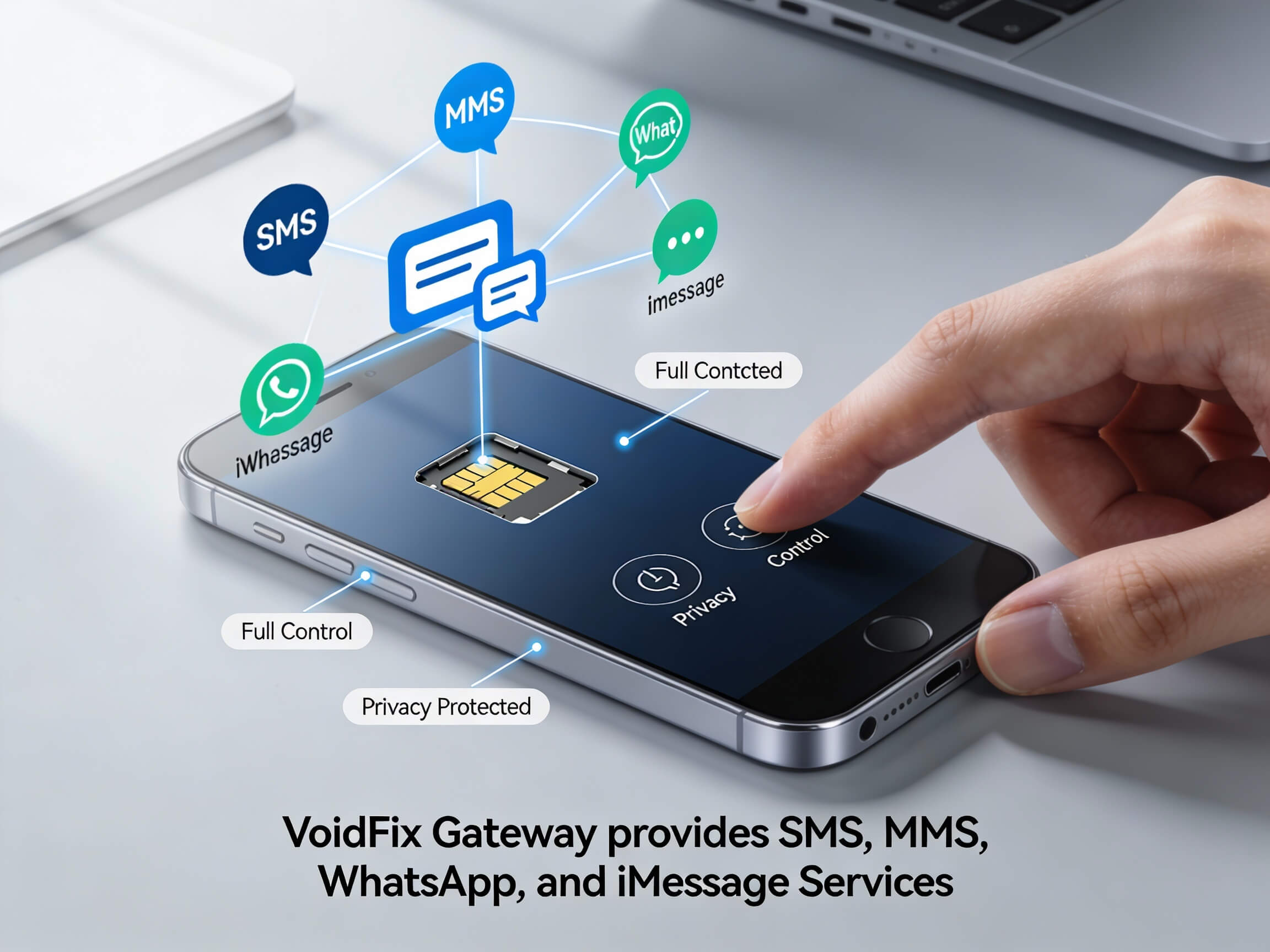
Sending from real Apple IDs on real devices changes the equation. These accounts carry organic trust, behave like ordinary users, and are far less likely to be throttled. This is the core of how iMessage for business can be done at scale without sacrificing reliability. VoidFix Gateway is built on this principle: messages go out from authentic Apple identities on genuine hardware, so they land as trusted blue bubbles instead of being quietly suppressed.
Think of it the way Apple does. The platform is constantly trying to tell the difference between a real person texting friends and a bulk operation trying to disguise itself. Real devices and real Apple IDs do not need to disguise anything, because they are exactly what Apple expects to see. That authenticity is what keeps delivery stable on day one and on day three hundred, even as your volume grows. It is also why approaches built on shortcuts tend to enjoy a brief honeymoon before sudden, unexplained delivery drops, usually at the worst possible moment for a campaign.
Warming, Pacing, and List Hygiene
Even with strong accounts, how you ramp up matters. A brand-new sender that immediately blasts thousands of messages signals automation. Disciplined senders follow a warming curve and respect natural rhythms. Use this sequence to protect deliverability when you launch:
Start small: Begin with modest daily volumes from each sender and let accounts build a clean history before scaling.
Ramp gradually: Increase volume in steady steps over days, not all at once, so sending patterns look organic.
Spread the load: Distribute messages across multiple senders and across the day rather than firing everything in one burst.
Clean your list: Remove invalid numbers, hard bounces, and unengaged contacts so you are not wasting capacity on dead destinations.
Personalize: Vary names, details, and phrasing so messages do not look like identical mass spam.
Each step reduces the chance Apple flags your activity and keeps your effective delivery rate high over the long run.
Verifying iMessage Eligibility Before You Send
One of the most common causes of "failed" iMessages is simple: the recipient is not on iMessage. Many businesses build mixed lists of Android and Apple users and then wonder why a chunk of their iMessage campaign never lands. The fix is to detect eligibility up front and route accordingly.
A capable platform checks whether each number is reachable on iMessage and handles the rest intelligently, rather than throwing messages into a void. This avoids wasted sends, protects sender reputation, and gives you accurate reporting. Pairing iMessage with a strong SMS fallback channel ensures non-Apple contacts still hear from you, so no segment of your audience is left out.
Eligibility checking also keeps your metrics honest. If you count messages sent to non-Apple numbers as iMessage failures, your delivery rate looks far worse than it really is, and you may waste effort chasing a problem that does not exist. By separating ineligible recipients up front and routing them to SMS, you get a clean picture of how your true iMessage audience is responding. That clarity makes every later optimization, from copy to timing, far more reliable because you are measuring the right thing.
How VoidFix Gateway Keeps Messages Landing
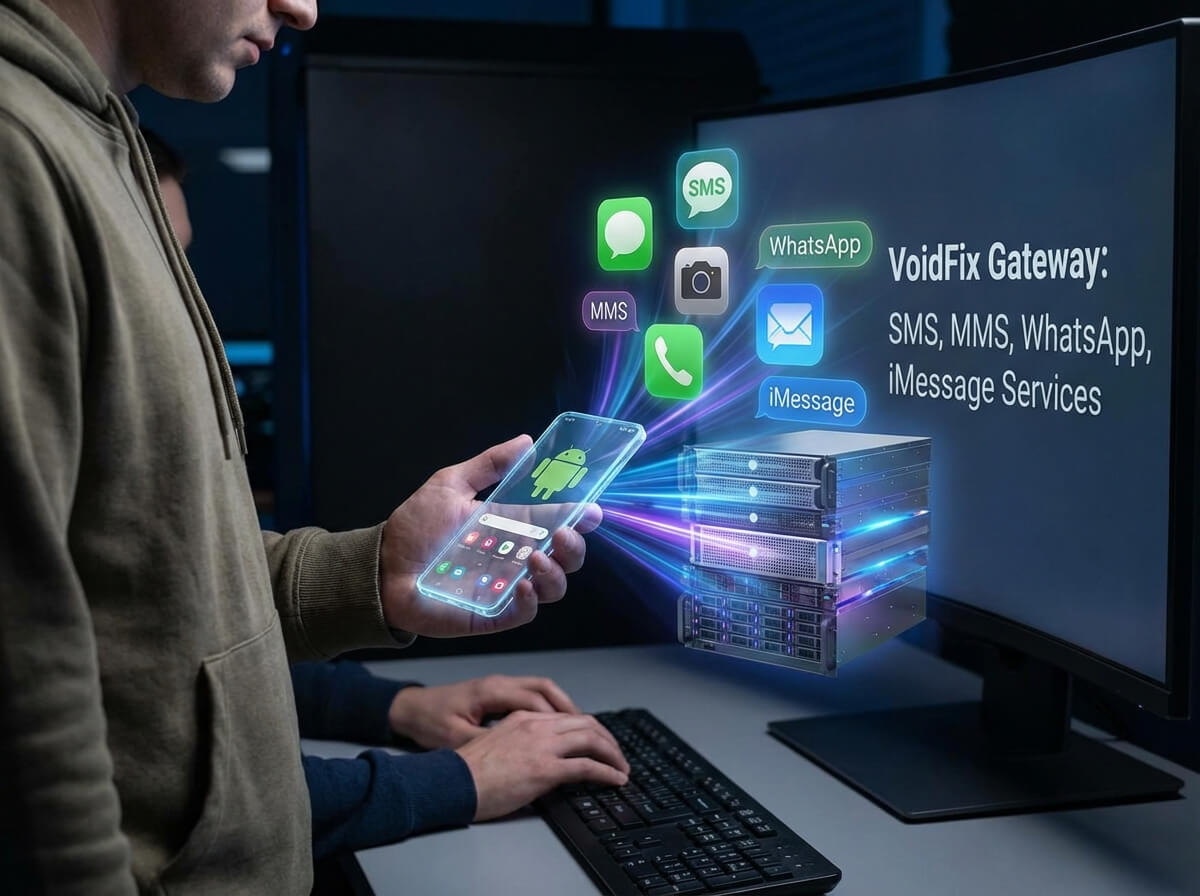
VoidFix Gateway was designed to remove the guesswork from reaching Apple users. Instead of fragile accounts and unofficial hacks, it sends iMessage from real Apple IDs on real devices, applies natural pacing, and routes around recipients who are not iMessage-eligible. The result is dependable delivery without the constant firefighting that sinks other approaches.
Just as important, there is no A2P or 10DLC registration to wrestle with, because delivery comes from genuine numbers and devices rather than the traditional aggregator pipeline. That sidesteps carrier vetting, campaign approval delays, and registration fees. Pricing stays predictable with a flat subscription and no per-message platform fees, which helps high-volume senders save up to roughly 80% on messaging costs. You can connect it to your stack through our team via GoHighLevel, CRMs, Zapier, Make, webhooks, or the REST API, so iMessage fits neatly into your existing workflows.
A Practical Deliverability Checklist
Before your next campaign, run through these quick checks to maximize the share of messages that reach Apple users:
Confirm messages originate from real Apple IDs on genuine devices.
Warm new senders and ramp volume gradually instead of blasting from day one.
Verify iMessage eligibility and route non-Apple contacts to SMS.
Personalize content and avoid identical mass text and risky links.
Keep lists clean and monitor delivery reporting for early warning signs.
Respect time zones and quiet hours so sending looks natural.
Treat deliverability as an ongoing discipline, not a one-time setup, and your blue-bubble reach will stay strong as you scale. Revisit the checklist before every major campaign, because lists age, audiences shift, and sending patterns drift over time. A list that was clean six months ago may now be full of churned contacts, and a sender that performed well at low volume may need re-warming before a big push. Small, regular maintenance prevents the slow erosion of delivery rates that catches many senders off guard.
It also helps to keep a simple log of what you sent, when, to how many recipients, and what delivery you observed. Over time that record becomes your early-warning system. If a particular sender, segment, or message type starts underperforming, you will spot it quickly and can correct course before it affects a larger campaign. Deliverability rewards the businesses that stay attentive, and the effort compounds into a durable advantage over competitors who treat it as an afterthought.
Conclusion: Reliable Reach Starts With the Right Foundation
Strong iMessage deliverability is not luck. It is the predictable outcome of sending from trusted Apple identities, pacing naturally, verifying recipients, and respecting the signals Apple watches. Businesses that get the fundamentals right enjoy consistent blue-bubble engagement, while those that cut corners with shaky accounts watch their delivery rates crumble. With the foundation in place, iMessage becomes one of the most reliable and premium channels available for reaching Apple users. If you want dependable delivery without the registration headaches and per-message fees, start your free trial of VoidFix Gateway and see how real-device iMessage keeps your messages landing.