
WhatsApp marketing means using WhatsApp to reach prospects and customers with offers, follow-ups and conversations they agreed to receive. Its potential is real, but it is not unlimited. This article covers why the channel works, where it works best, and the limits you need to respect before you scale it.
Why does WhatsApp marketing work?
The first reason is reach. More than 3 billion people in over 180 countries use WhatsApp, according to WhatsApp (as of October 2026). In many markets it is the default way people message each other.
The second reason is context. A WhatsApp message appears next to chats from friends and family. It feels personal, and customers can reply in one tap. Email lands in a crowded inbox, and social posts compete with an algorithm.
The third reason is format. You can send text, images, short videos, voice notes and PDFs. A product photo or a 20-second demo often explains an offer better than a paragraph.
That same closeness is the risk. People notice unwanted messages in a personal app, and they can block or report you quickly. WhatsApp marketing rewards relevance and punishes volume.
Where does WhatsApp marketing work best?
It works best where a conversation helps someone decide, or where timing matters:
- Considered purchases. Real estate, education, travel and home services buyers have questions. A chat answers them faster than a form.
- Repeat purchases. Shops with loyal customers can share restocks, early access and member offers with people who asked for them.
- Local services. Clinics, salons, gyms and restaurants can fill gaps in the calendar with a short message to regulars.
- Markets where WhatsApp is the main app. If your customers already message friends there, they expect to message you there too.
- Agencies. Agencies can run WhatsApp follow-ups for several clients from one dashboard, often inside GoHighLevel.
It works less well for cold outreach to people who never gave you their number. It also suits long-form content poorly, such as newsletters, which belong in email.
How do you build an opted-in audience?
Every strong WhatsApp list starts with consent. Meta's guidance for its business platform says an opt-in should clearly state that the person is opting in, name the business and comply with applicable law. Use that standard on any WhatsApp setup. Good places to collect opt-in include:
- Website and landing page forms with a WhatsApp consent checkbox
- Click-to-WhatsApp ads on Facebook and Instagram, where the customer messages you first
- QR codes on packaging, receipts and in-store displays
- Post-purchase messages that invite customers to get updates on WhatsApp
- Direct WhatsApp links in social posts and email signatures
Tell people what they will get, such as early access, order updates or priority support. A clear promise keeps opt-outs low later.
Which campaigns get the most from WhatsApp?
Welcome messages
When someone opts in, send one short message that says who you are, what you will send and how to stop. A first-order offer is optional.
Abandoned cart reminders
A friendly reminder with a product photo and a link brings some shoppers back. Send one reminder, not a series, and only to shoppers who opted in.
Flash sales and early access
A retailer can message a VIP segment about a 48-hour sale with a product image and a link. Short deadlines suit a channel people read quickly.
Product launches
A brand can tease a launch with a short video, then send the launch message with a link. Keep it to two or three messages so the sequence stays welcome.
Reviews and feedback
A restaurant can ask diners about their visit a couple of hours later. Happy customers get a review link. Unhappy customers get a manager, before the complaint goes public.
Loyalty updates
A monthly message with a point balance and a personal reward keeps members engaged without feeling like spam.
For step-by-step campaign planning, see our WhatsApp marketing campaigns guide.
How does automation fit in?
Automation sends the right message when something happens, instead of on a fixed blast schedule. Useful triggers include a new opt-in, a cart left behind, a purchase, a missed appointment or 60 days of silence. In VoidFix, these run from GoHighLevel workflows, Zapier, Make or the API.
Replies still need people. Keyword auto replies and the AI chatbot handle simple questions, then hand over to your team. That mix keeps response times short without making every chat feel robotic. Our guide to WhatsApp automation and chatbots goes deeper.
What are the limits of WhatsApp marketing?
- Consent is not optional. Message only people who opted in, and include an easy way to stop. Laws such as the TCPA in the US and GDPR in the EU still apply.
- Frequency hurts fast. Send fewer, more useful messages. Watch blocks and opt-outs after every campaign, and slow down when they rise.
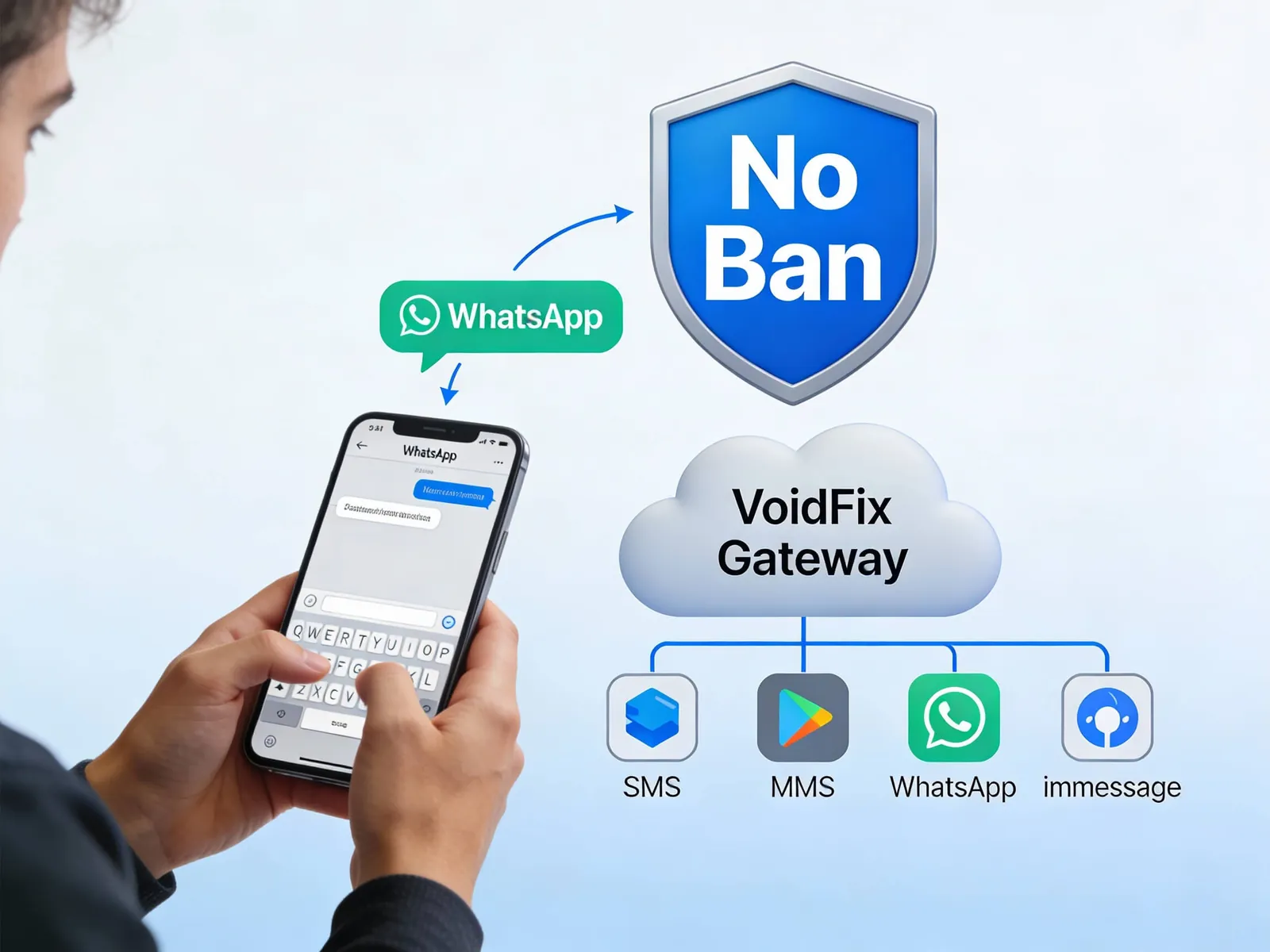
- Numbers can be restricted. WhatsApp can restrict numbers that send spam-like traffic. With VoidFix, turn on Warmup for new numbers, use Spintax so messages vary, and spread volume across several accounts.
- The official platform has its own rules. On the WhatsApp Business Platform, marketing templates need approval and Meta charges per delivered message. New senders there also start with a limit of 250 unique users per rolling 24 hours, which rises as quality is proven.
- Replies take time. A campaign that works brings questions. Plan who answers before you press send.
Which metrics should you watch?
- Delivered vs failed messages, per number
- Reply rate, which shows whether the content is relevant
- Click-through rate on links
- Conversion rate, from your store or CRM
- Opt-out and block signals, which tell you when to slow down
Set your own baseline from the first few campaigns, then test one change at a time: timing, audience or message.
How does VoidFix Gateway support WhatsApp marketing?
VoidFix links your normal WhatsApp or WhatsApp Business number by QR code, so you market from a number customers already know. No WhatsApp Business API or Meta approval is needed. Paid plans include unlimited WhatsApp credits, broadcasts, Spintax, Warmup, lead tagging, Meta Ads tracking and the AI chatbot.
The 7-day free trial includes 1 device and 100 credits, without integrations. Starter is $19/mo for 1 account, Growth $79/mo for 5 and Business $149/mo for 10. See how the WhatsApp gateway works, or compare plans on the WhatsApp pricing page.
Frequently asked questions
What is WhatsApp marketing and how does it work?
WhatsApp marketing uses WhatsApp to send offers, follow-ups and conversations to people who opted in. You build a consented contact list, segment it, and send relevant messages by hand or through automation, with customers able to reply in the same chat.
How can I send bulk WhatsApp messages without getting blocked?
Message only opted-in contacts, keep each message relevant, include an easy opt-out and send less often than you think. On a new number, use Warmup and Spintax, and spread larger sends across several accounts.
Is WhatsApp marketing better than email marketing?
They do different jobs. WhatsApp suits short, timely messages and conversations. Email suits longer content and newsletters. Most businesses get the best results by using both and matching each message to the right channel.
What types of businesses benefit most from WhatsApp marketing?
Businesses whose customers have questions before buying, buy repeatedly or book appointments. That includes e-commerce, real estate, clinics, salons, restaurants, education and agencies that run WhatsApp for clients.